What to Pack for Daycare (+ Free Printable Checklists)
Published: November 23, 2026 · Last updated: November 23, 2026
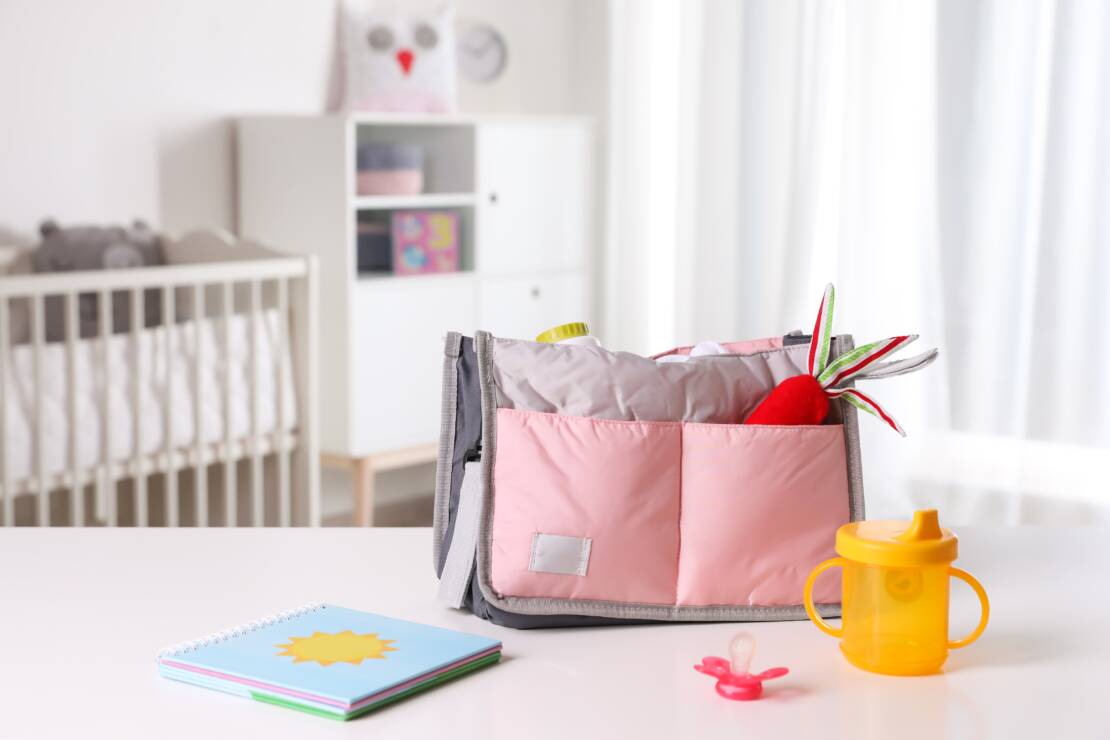
Babies need the biggest daycare bag, with milk or formula, diapers and several changes of clothes. That bag shrinks each year until preschoolers need only spare clothes and weather gear. In Illinois, licensed centers supply the beds and bedding, and children eat the center’s food once they move past baby food. What you pack beyond that depends on your child’s age, the season, and your daycare center’s own list.
The welcome leaflet from your daycare usually ends with a supply list, and that list can raise as many questions as it answers. How many outfits is ‘a few changes of clothes?’ Does the lovey count as a toy? Do you need to buy crib sheets? Should there be a lunchbox in the bag on day one?
We’re here to ease your daycare packing anxiety and make your life easier. Below you’ll find an everyday packing list, what an Illinois daycare center has to supply so you can skip it, a list for each age from the infant room to preschool, what to include for a Chicago winter, the forms to sign before the sunscreen goes in, and what to leave at home. The printable checklists are at the end, one page per age, ready to stick on the fridge.
What to pack for daycare every day
Pack spare clothes, diapers or underwear, outdoor clothes suitable for the current weather, and a comfort item for nap time, if your child’s room allows one. Babies also need their milk or formula, labeled with their name and the date. Make sure you put your child’s name on everything, and follow your daycare center’s own list first. Let’s sum up:
- Two or three complete changes of clothes, socks included, in a zip bag with your child’s name on it
- Diapers and wipes, or several pairs of underwear for a child who is potty training
- A coat, hat and shoes for outdoor play, chosen for the day’s weather
- A small comfort item for nap time, if the teachers allow one
- Bottles and milk or formula for babies who are not yet eating table food
- Anything extra on your center’s list
The bag is heaviest in the infant room and gets lighter after 15 months, when children start eating the center’s food. The lists by age are further down.
What your daycare provides in Illinois
Licensed daycare centers in Illinois have to give every child their own crib, bed or cot, with ‘individual sheets and bedding,’ according to Illinois’ licensing standards for daycare centers. Staff change those sheets at least twice a week in the infant and toddler rooms, and once a week for preschoolers, or sooner if they get wet. So you can cross crib sheets and nap blankets off your shopping list, even if a national packing list tells you to buy them.
Food works the same way. The same standards say the center provides the food children eat during the day. Parents only send food for babies who aren’t eating table food yet, or for a child on a special diet the center can’t reasonably prepare. If your child has a special diet because of an allergy, a medical need, or your family’s religion, the center follows written instructions from you or your child’s doctor, so bring those to enrollment.
At LadyBug & Friends, for instance, children get breakfast, a morning snack, lunch, and an afternoon snack, catered by Healthy Organic Kids and cooked in nut-free kitchens. That means no lunchbox, no snack cups, and no ice packs in the bag. Centers also stock the soap and paper towels for handwashing, so those stay off the list, too.
What to pack for daycare, by age
The biggest change to the daily daycare bag comes at 15 months. That’s when the Illinois infant ratio of one teacher to four babies ends, and at LadyBug & Friends, it’s also when children move up to the toddler room.
| What to pack | Infants (6 weeks to 15 months) | Toddlers (15 to 24 months) | 2-year-olds | Preschoolers (3 to 6 years) |
| Milk, formula, baby food | Yes, with name and date | No, they eat the center’s meals | No | No |
| Diapers and wipes | Yes, unless the center supplies them | Yes | Yes, plus underwear once potty training starts | Underwear, if still learning |
| Changes of clothes | 3 | 2 to 3 | 3 during potty training | 1 to 2 |
| Comfort item | In the cubby, never in the crib | For nap on the cot | For nap | For rest time, if wanted |
| Sheets and blankets | No, the center provides them | No | No | No |
Infants, 6 weeks to 15 months
Babies need the longest list of items among age groups, so this is what to bring to daycare for an infant:
- Bottles, ready to feed, plus one spare in case your baby is hungrier than usual
- Formula or breast milk, with your baby’s name on every bottle
- Baby food in jars or pouches, once your baby has started solids
- Diapers, wipes and diaper cream, unless your center supplies them
- Three changes of clothes, with socks and a couple of bibs
- A sleep sack, if the teachers use them
- A pacifier, if your baby takes one
Illinois is specific about milk. Formula brought in from home has to be labeled, dated, and put in the fridge when it arrives, and bottles of breast milk also need the date on them. For safety, discard leftover formula within one hour of starting a feed, and leftover breast milk within two hours after feeding ends, following CDC guidance. For how much milk to send each day, see our infant care guide.
Nothing soft goes into the crib with your baby. The state rules ban blankets, pillows, bumpers, stuffed toys and other soft items in cribs, so the lovey or favorite blanket stays in the cubby for cuddles when your baby is awake. Pacifiers are fine for sleep, but the American Academy of Pediatrics advises against clipping one to clothing or tying it to a string while a baby sleeps, so leave the clip at home or ask the teachers how they handle it.
Who supplies diapers, wipes and formula varies from center to center, so add it to your list of questions to ask a daycare.
Toddlers, 15 to 24 months
Once your child moves up to the toddler room, the bottles and baby food stay home, because toddlers eat breakfast, lunch, and snacks from the daycare center’s menu. So the toddler daycare bag is lighter:
- Diapers and wipes, if your center doesn’t supply them
- Two or three changes of clothes, socks included
- Closed-toe shoes that stay on for running and climbing
- A sippy cup or water bottle, only if the teachers ask for one
- A small comfort item for naps on the cot
Toddlers usually nap on cots, and in Illinois, the center provides the sheet and the blanket for those, too.
Two-year-olds
Potty training is what changes the daily bag contents at this age. Children who are learning to use the toilet have more accidents, so make sure to pack:
- Diapers or pull-ups and wipes, plus several pairs of underwear once training starts
- Three changes of clothes and a spare pair of shoes
- A waterproof wet bag for anything soiled
- Pants with an elastic waist that your child can pull down alone (overalls and belts slow everything down)
- A comfort item for nap time
Illinois tells staff to put soiled clothes in a plastic bag to go home with the parent, so expect a bag at pickup now and then, and send replacements the next morning.
Preschoolers, 3 to 6 years
Once your child is out of diapers, the preschool list comes down to four things:
- One or two changes of clothes
- Outdoor clothes appropriate for the weather that day
- A water bottle with their name on it, if the teachers ask for one
- A small comfort item for rest time, if your child still naps with one
Illinois gives every child under 6 who stays 5 hours or more the chance to rest or nap. Plenty of 4-year-olds and 5-year-olds lie quietly instead of sleeping, and a soft toy from home still helps them settle. Preschoolers also like carrying their own backpack in and hanging it in the cubby themselves, which is good practice for kindergarten.
Winter clothes for outdoor play in Chicago
Illinois expects daycare centers to take children outdoors every day unless the weather is dangerous (such as lightning or extreme heat or cold), and to encourage children of all ages to get outside twice a day when the weather allows. At LadyBug & Friends, we take children outside every day, so roughly from December through March, the bag needs:
- A snowsuit, or snow pants and a warm coat
- Waterproof boots
- A hat that covers the ears
- Two pairs of mittens
- Indoor shoes to change into
The second pair of mittens is for the afternoon. Mittens that got soaked in the morning snow will still be damp when the children go back out after nap time. If your daycare center has room, leave the snow gear there all week and take it home on Fridays to dry and wash.
In spring and fall, swap the snowsuit for a rain jacket and rain boots. In summer, send a sun hat, a light long-sleeved top, and sunscreen, with the signed permission form on file.
Sunscreen, diaper cream, and medicine need a signed form
Under the Illinois rules, any product the teachers put on your child’s skin, such as diaper ointment, sunscreen, or insect repellant, needs your written approval before the first use. That applies whether you send the tube yourself or if the center supplies it. Sign the forms at enrollment and the teachers can use the cream from day one, so the tube can live in the cubby.
Medicine comes with stricter rules. It has to arrive in its original container, and over-the-counter medicine needs your child’s first and last name on the label. Prescription medicine needs the doctor’s instructions and your signed permission on file. Give any medicine to a teacher at drop-off instead of leaving it in your child’s bag to make sure they have access to it.
The health exam and immunization forms are a separate job, covered week by week in our guide to preparing your child for daycare.
How to label daycare clothes and bottles
Bottles are the one thing Illinois says must carry your child’s name, in any room with more than one bottle-fed baby, and breast milk needs the date, as well. You should label everything else, too, to make sure things don’t accidentally get swapped or lost: coats, hats, mittens, shoes, the sleep sack, the lovey, and every piece of spare clothing. Infant rooms in Illinois can hold up to 12 babies, and their sleep sacks tend to look alike.
Writing on the care tag with a permanent marker works fine, and iron-on or stick-on name labels are quicker if you have a lot to do. Write the name inside each shoe, on the tongue, and on the cuff of each mitten.
What to leave at home
Toys from home are the first thing to leave behind. They get lost, broken, or fought over in a room full of children who all want to play with the new truck. Keep these at home, too:
- Jewelry, small hair clips and anything with strings or cords
- Food or treats to share, unless the teachers have agreed to a birthday treat. In Illinois, those have to arrive unopened, in the bakery’s or the manufacturer’s packaging
- Anything with nuts in it (our kitchens at LadyBug & Friends are nut-free)
- Pillows, blankets and stuffed toys for a baby’s crib
- Medicine in the backpack
One comfort item is the exception at every age. Your child’s favorite small soft toy or blanket, the one that smells like home, can make drop-off and nap time easier, as we explain in our guide to separation anxiety at daycare.
What stays at daycare and what comes home each day
Your child’s cubby holds the backup supplies, and the bag is for whatever goes back and forth each day. Splitting them this way keeps the morning bag light.
Leave in the cubby:
- Spare clothes, socks and shoes
- Diapers, wipes and diaper cream
- Sunscreen, once the form is signed
- Winter spares, like the second pair of mittens
Bring each day:
- Bottles and milk or formula, for babies
- The comfort item for nap time
- Clothes and shoes for that day’s weather
Expect to take home the empty bottles, any soiled clothes in a sealed bag, your child’s artwork and anything that needs washing, and pick one day a week to restock the cubby. Friday pickup works well, because you can take the snow gear and sleep sack home to wash, check what’s running low, and bring it all back on Monday.
Printable daycare packing checklists
We’ve put all of this into four one-page checklists, one for each room: infants, toddlers, two-year-olds, and preschoolers. Each page has a column for the daily bag and one for the cubby, plus winter and summer extras, the forms to sign and space for anything your center adds.
Download the free printable checklists, print the page for your child’s age, and keep it by the front door to make sure nothing gets forgotten.
At LadyBug & Friends, children start with us as young as 6 weeks and stay until they turn 6, at nine Chicago-area centers open 7am to 6pm, and every child from 15 months eats our meals, so the bag stays light. Come and see the cubbies, the nap room, and the playground for yourself, and we’ll tell you exactly what goes in the bag at your center.
Frequently asked questions
What should I pack for the first day of daycare?
Pack everything on your center’s list plus the everyday basics: two or three changes of clothes, diapers and wipes or spare underwear, outdoor clothes for the weather and a small comfort item for a nap. Babies also need labeled bottles and milk or formula. Bring the signed forms for sunscreen, diaper cream and any medicine, and label everything with your child’s name.
Do I need to send crib sheets and blankets to daycare?
Not in Illinois. State licensing rules require daycare centers to provide each child’s crib, cot or bed with individual sheets and bedding, and to change the sheets at least twice a week for infants and toddlers. Babies sleep without blankets, pillows or soft toys in the crib, so a sleep sack, if the room uses them, is the only sleep item you might send.
Should I pack lunch and snacks for daycare?
In Illinois, no. Licensed centers provide all the food children eat at daycare, apart from food for babies who aren’t eating table food yet and special diets the center can’t reasonably prepare. At LadyBug & Friends, children from 15 months get breakfast, lunch and two snacks a day from our nut-free menu. Send milk, formula and baby food for infants only.
How many changes of clothes should I send to daycare?
Send three changes for babies and for children who are potty training, and two or three for toddlers. Preschoolers usually need one or two. Pack socks with every outfit, add spare shoes during potty training, and swap in warmer or lighter clothes when the season changes. Replace anything that comes home soiled the next morning.
What should I pack for my 2-year-old at daycare?
Pack three changes of clothes with socks, a spare pair of shoes, diapers or pull-ups and wipes, and several pairs of underwear once potty training starts. Add outdoor clothes for the weather, a small comfort item for naps and a wet bag for soiled clothes. In Illinois, the center provides the cot sheet, the blanket and all meals and snacks.
Get Enrollment Information and Register for our Tours & Waitlist…
Other News
Daycare Sick Policies: What Chicago Parents Should Know Before Cold and Flu Season
Fever, vomiting, pink eye or just a runny nose? When to keep your child home from daycare, …How a Dependent Care FSA Works for Daycare
Pay for daycare with pre-tax money. How a dependent care FSA works, the new limit for 2026 …The 6 Stages of Play: How Children Learn to Play Together at Daycare
The 6 stages of play, from playing alone to playing together. See what parallel, associati …Is Pre-K the Same as Preschool? What’s the Difference in Illinois?
Confused by preschool and pre-K? Compare ages, Chicago enrollment cutoffs, and classroom e …Separation Anxiety at Daycare, When it Starts and When It Gets Easier
Separation anxiety usually starts around 9 months and returns in toddlerhood. Learn when t …What Age Does Preschool Start?
What age does preschool start? Typical ages from 2 to 5, what changes when a child turns 3 …More News